
Leading Products For Basement Floor Coatings
Find top-rated paints and coatings that enhance durability and aesthetic appeal in basement flooring projects.
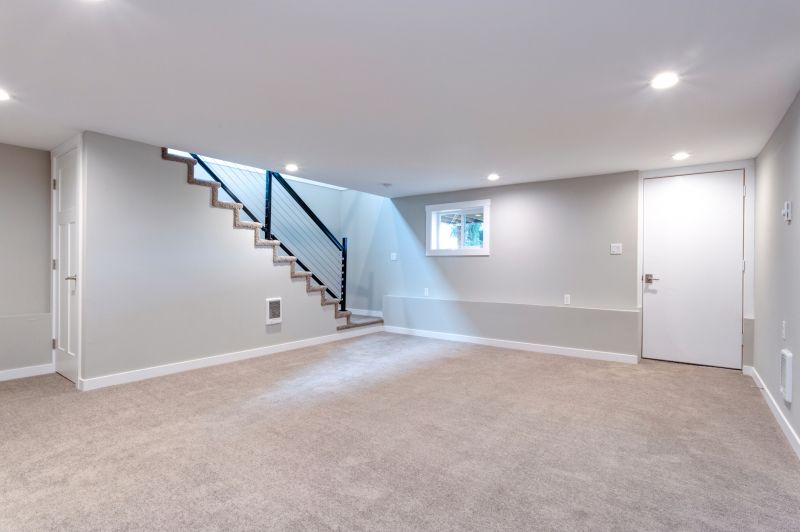 Choosing the right products for basement floor paintings involves understanding the specific needs of your space, including surface type, moisture levels, and intended use. Basement floors often face challenges such as high humidity, temperature fluctuations, and potential water intrusion, making the selection of appropriate coatings crucial for durability and appearance. There are various types of paints and coatings designed to adhere to concrete or other flooring materials, each offering different levels of protection, finish, and ease of application.
Top Overall Option
Multi-Purpose Concrete Floor Coating
A versatile concrete floor coating designed to adhere well to various surfaces, offering resistance to moisture, stains, and abrasion. Its easy application process and durable finish make it suitable for different basement environments, providing a reliable option for long-term protection and aesthetic enhancement.
Types of Products For Basement Floor Paintings
Epoxy Floor Coatings
Epoxy coatings create a hard, durable surface that resists chemicals, stains, and wear, ideal for high-traffic basement areas.
Acrylic Floor Paints
Acrylic paints are easy to apply and provide a flexible, quick-drying finish suitable for concrete surfaces.
Polyurethane Coatings
Polyurethane finishes offer excellent resistance to abrasion and chemicals, often used for heavy-use areas.
Latex Floor Paints
Latex paints are water-based, easy to clean, and suitable for less demanding basement applications.
Concrete Stain Products
Stains penetrate the concrete surface, providing a natural, variegated color effect without a thick coating.
Garage Floor Paints
Specifically formulated for garage and basement floors, these paints offer durability and ease of cleaning.
Anti-Slip Floor Coatings
Designed to provide traction, these coatings are ideal for areas prone to moisture and slipping hazards.
Waterproof Sealers
Sealers help protect the concrete from water infiltration and surface damage, often used in conjunction with paints.
Chalkboard Floor Paints
Specialized paints that create a writable surface on floors, useful for creative or functional basement spaces.
Textured Coatings
Add slip-resistant texture to the floor, suitable for wet or high-traffic areas.
High-Gloss Floor Paints
Provide a shiny, reflective finish that enhances light and appearance in basement spaces.
Oil-Based Floor Paints
Offer strong adhesion and durability, often preferred for industrial or heavy-duty applications.
Eco-Friendly Floor Coatings
Low VOC options designed for environmentally conscious projects without sacrificing performance.
Quick-Dry Floor Paints
Formulated for fast drying times, reducing project duration and allowing quicker use of the space.
Heavy-Duty Coatings
Designed for industrial or commercial use, providing maximum resistance to wear and tear.
Popular Choices
Widely used for their durability and chemical resistance, suitable for various basement environments.
Known for their ease of application and quick drying, popular for DIY basement projects.
Chosen for their high resistance to abrasion and chemicals, often used in garages and workshops.
Affordable and easy to work with, suitable for less demanding basement surfaces.
Popular for creating natural, variegated looks without thick coatings, enhancing concrete aesthetics.
Designed specifically for garage and basement floors, combining durability with ease of cleaning.
Increasing safety in moisture-prone areas, these coatings are frequently selected for basement floors.
Commonly used to protect concrete surfaces from water damage and surface deterioration.
Popular for their shiny finish, enhancing the look and light reflection in basement spaces.
Favored for their adhesion and durability in heavy-use environments.
Preferred for projects requiring fast turnaround times and minimal downtime.
Selected for industrial or commercial basement applications demanding maximum resistance.
Many products are formulated to resist moisture and prevent mold growth, which are common concerns in basement environments. Some coatings provide a matte or semi-gloss finish, enhancing the visual appeal of your basement while maintaining practicality. When selecting a product, consider the preparation process, drying time, and whether the coating is suitable for high-traffic areas or heavy equipment. Proper surface preparation, including cleaning and priming, can significantly influence the longevity and performance of the paint.
Additional features to consider include slip resistance, ease of application, and compatibility with existing flooring materials. Some products are designed specifically for concrete, while others can be used on a variety of surfaces. It’s also important to evaluate the product’s resistance to chemicals, stains, and abrasion, especially if your basement serves as a workshop or storage area. Reading product labels and reviews can help identify coatings that meet your specific requirements for durability and aesthetic appeal.
Ultimately, selecting the right product involves balancing factors such as cost, ease of use, and the desired finish. Investing in a quality coating can help protect your basement floor from moisture damage and improve its overall look, making the space more functional and inviting. Always follow manufacturer instructions for surface preparation and application to achieve the best results and ensure the longevity of your basement floor coating.
Key Buying Considerations
- Surface compatibility: Ensure the product is suitable for concrete, epoxy, or other flooring materials.
- Moisture resistance: Look for coatings that resist moisture and prevent mold growth in basements.
- Durability: Consider the level of wear and chemical resistance needed for your space.
- Finish type: Decide between matte, semi-gloss, or high-gloss finishes based on aesthetic preferences.
- Application method: Choose products that match your application skills and available tools.
- Drying time: Consider quick-drying options if project speed is important.
- Slip resistance: For areas prone to moisture, select coatings with textured or anti-slip properties.
- Compatibility with existing coatings: Ensure the new coating adheres well to existing surfaces if re-coating.
- Ease of cleaning: Select finishes that are easy to maintain and clean over time.
- Cost and coverage: Evaluate the coverage area and overall cost to fit your budget.
- Environmental conditions: Take into account temperature and humidity levels during application.
- VOC levels: Check for low VOC options if indoor air quality is a concern.
- Preparation requirements: Understand surface prep needs to ensure proper adhesion and longevity.
- Intended use: Match the product to whether the space is for storage, workshop, or living area.
- Long-term performance: Consider reviews and product lifespan to ensure lasting results.
This content contains affiliate links. We may earn a commission if you make a purchase through these links, at no additional cost to you.